Own, Rent, or Join? What a Luxury Car Really Costs in Vancouver
There is a moment every Vancouver driver has had on the Lions Gate at 6pm: a G-Wagon slides past, and you do the mental math. Eighty grand? A hundred and forty? And then you move on, because the number feels like the whole answer.
It isn't. The purchase price is the one cost people quote and the one cost that matters least month to month. What actually decides whether a luxury car is a smart call in this city is a short list of recurring lines - and one of them, depreciation, is invisible until the day you sell.
Here is the honest version of the math, and the three ways to get the keys.
1. What owning actually costs
Buying is the default option, and for the right person it is the right one. But the monthly reality of a luxury vehicle in Vancouver is a stack, not a single payment:
The five lines
- Financing. The payment you budgeted for. This is the only line most people plan around.
- Insurance. ICBC basic plus the optional coverage a high-value vehicle needs - materially more than on a commuter car.
- Depreciation. The big one. Luxury vehicles shed value fastest in their first years, and you pay it whether you drive or not. It is a real cost that never appears as a bill.
- Parking. A secured downtown or West End stall is a standing monthly charge, and for an expensive car it is not optional.
- Maintenance and tires. Dealer servicing, seasonal tire swaps, storage for the off-season set.
Add those together and the ownership number is comfortably larger than the payment you agreed to. None of that makes owning wrong. It makes it a commitment - to one car, for years, in a city where you may want a different vehicle in July than you do in January.
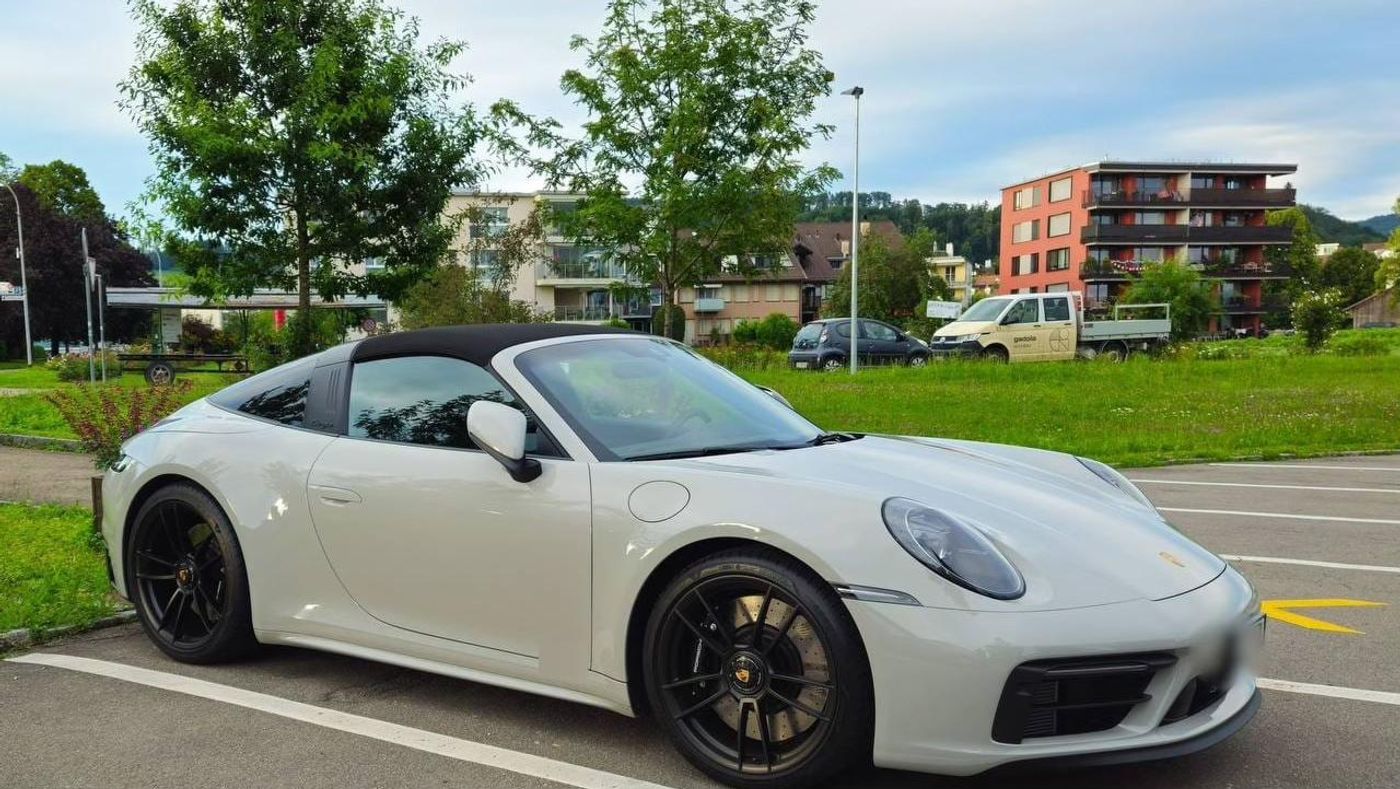 A 911 in February and an Escalade in December are different problems. Ownership makes you pick one.
2. Renting: flexible, until it isn't
Renting solves the commitment problem. You pay for the days you drive, you walk away from depreciation entirely, and you can take a different car every time.
What it does not solve is friction. Every rental is its own transaction: availability checks, a counter or a handover, a deposit hold, a fuel policy, a return window. For a one-off weekend that is a fair trade. For someone who wants a good car available most weeks, the admin compounds - and so does the day rate. Rented often enough, the flexible option quietly becomes the expensive one.
Renting makes sense when
- You need a specific car for a specific occasion - a wedding, a shoot, a client weekend.
- You drive rarely enough that per-day pricing genuinely wins.
- You are visiting and only need wheels for the trip.
3. The club model
A car club sits between the two. One monthly membership, access to the whole fleet, and the car comes to you. You are not buying an asset and you are not re-negotiating a rental every time you want to drive.
The practical difference is that the fleet is the product. Membership is not a claim on one vehicle - it is access to forty-plus of them, so the car matches the week rather than the other way round. A 911 when the weather turns. A G-Wagon for Whistler. An Escalade when there are six of you and an airport run.
And the costs that make ownership heavy - insurance, maintenance, depreciation, storage - stay with the fleet, not with you.
The comparison, side by side
| Owning | Renting | Club membership | |
|---|---|---|---|
| Monthly cost | Payment + insurance + parking + maintenance | Per day, per booking | One flat membership |
| Depreciation | You absorb it | None | None |
| Insurance | Yours to arrange and pay | Add-on per rental | Included in the fleet |
| Choice of car | The one you bought | Whatever is available | Whole fleet, swap as needed |
| Effort per drive | None - it is in your stall | Booking, pickup, return | Request it, it is delivered |
| Commitment | Years | Days | Month to month |
So which one is actually for you?
Buy if
You have one car you genuinely love, you drive it constantly, and you want it sitting in your own stall at 6am with your things in it. Ownership rewards devotion to a single vehicle.
Rent if
Your need is occasional and event-shaped. Paying per day beats paying per month when the months are mostly empty.
Join if
You want a good car available regularly, you would rather not own the depreciation, and variety is part of the appeal. If the honest answer to "which car do you want?" is "depends on the week" - that is the club case in one sentence.
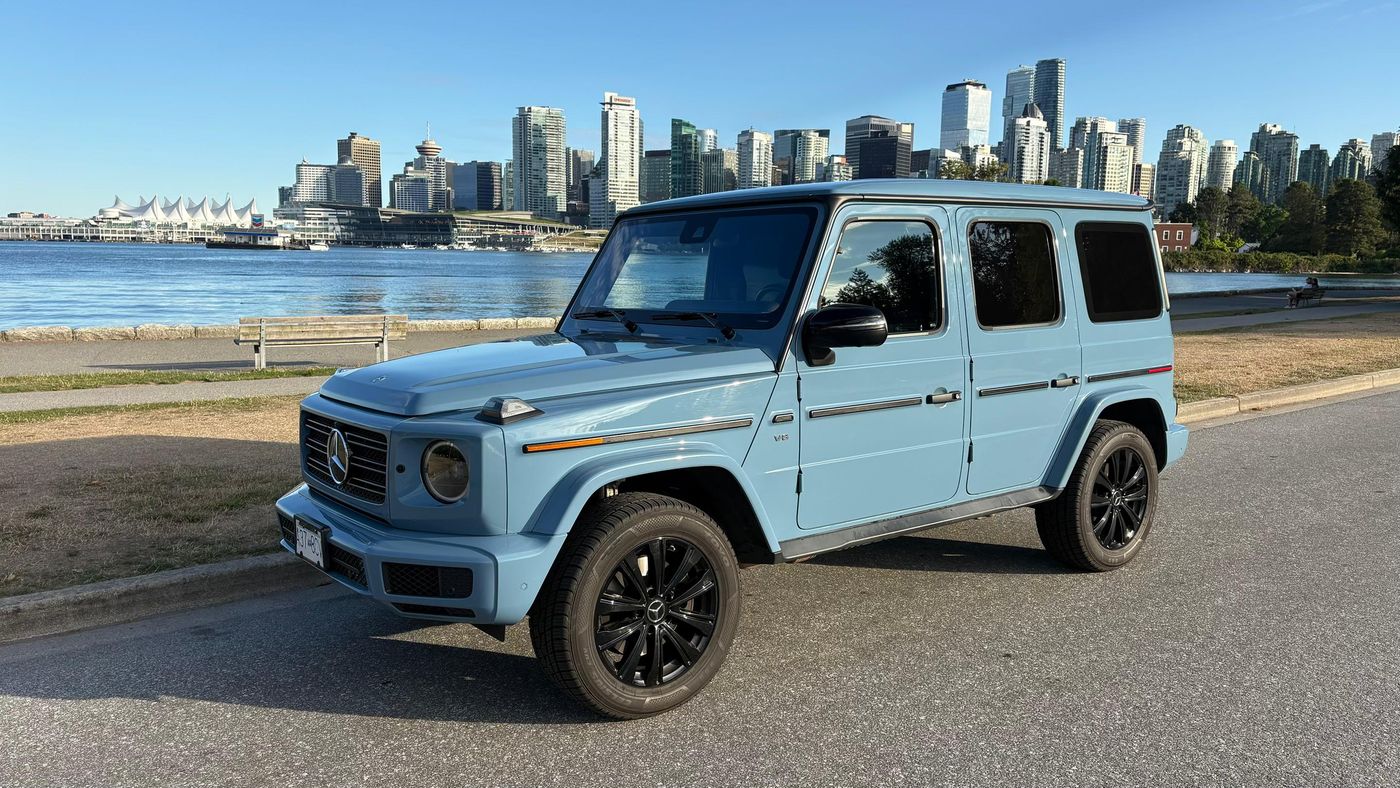 Membership treats the fleet as the product - not any single vehicle in it.
Common questions
Is a car club cheaper than owning?
It depends entirely on how much you drive and which car you would have bought. The clearer advantage is not the headline number - it is that the variable, unpredictable costs of luxury ownership (insurance, depreciation, a surprise service bill) become one fixed line you can plan around.
What happens if I want a different car?
That is the point of the model. Membership is access to the fleet, so the vehicle changes with the plan - a sports car one week, a full-size SUV the next.
Do I still need my own insurance?
No. Coverage sits with the fleet rather than with each member, which is one of the larger practical differences from ownership.
Does the car get delivered?
Yes - home, hotel, or YVR, on your schedule. Removing the pickup counter is most of what separates a club from a rental.
Forty-plus cars. One membership.
Mogestic runs a Vancouver fleet of over forty luxury vehicles — Porsche, Mercedes G-Class, Range Rover, Escalade, Urus — available to members and delivered where you need them.
Apply for membershipOr call (604) 841-0366